Professional 3D Print Post-Processing & Finishing
Bridging the gap between a raw 3D print and a market-ready product. We remove layer lines, refine surfaces, and apply industrial-grade coatings to ensure your prototype looks and feels like a finished consumer good.
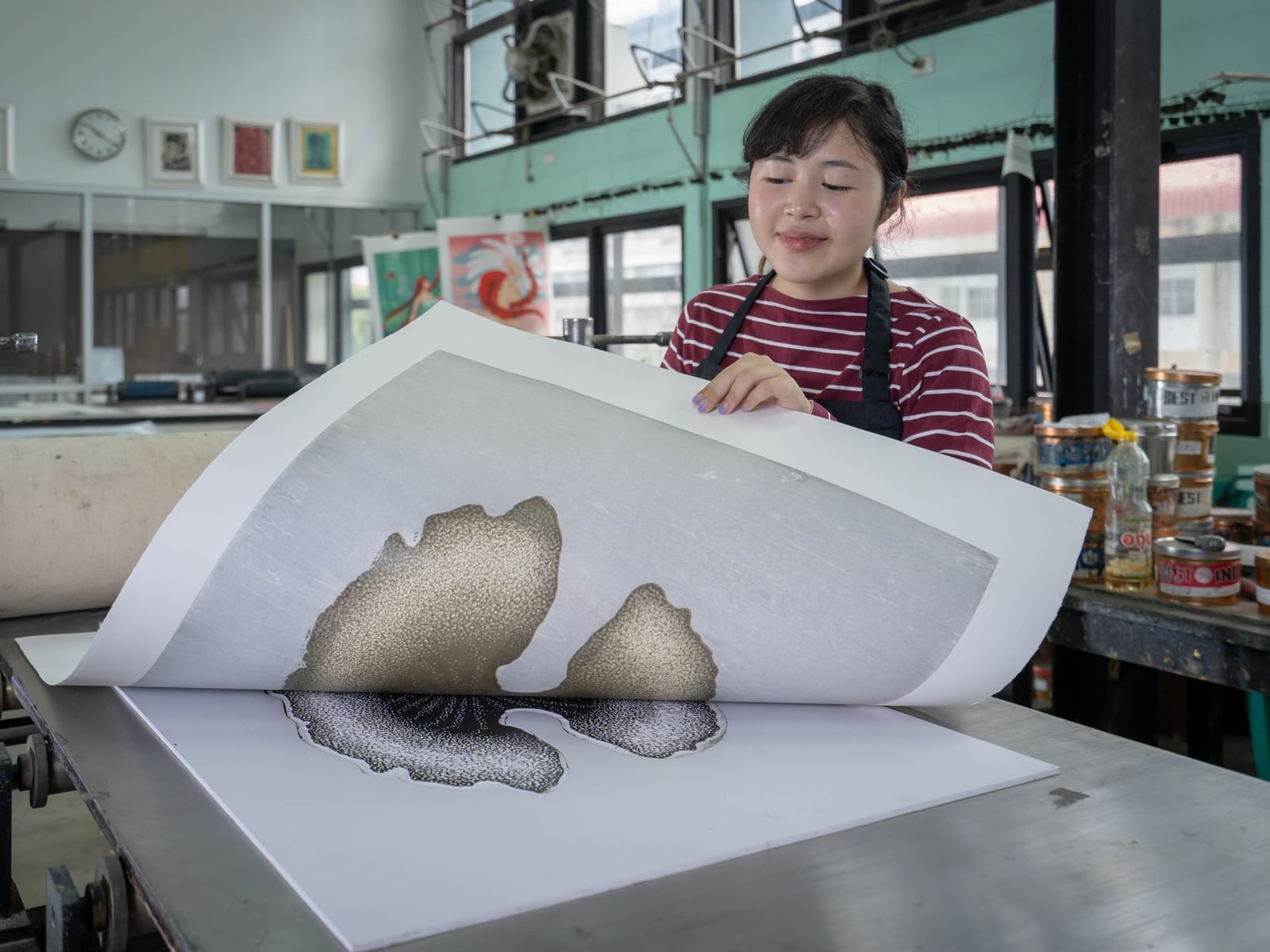
The transition from a digital CAD model to a physical object often leaves a visible "digital fingerprint"—the characteristic layer lines of FDM printing or the support marks of resin processes. While these prints are functionally accurate, they often fail to meet the aesthetic requirements of investor presentations, consumer testing, or architectural displays. Professional finishing is the critical final stage that elevates a prototype from a "printed part" to a "finished product."
At Kopeclabs, our finishing workshop in Adelaide is equipped to handle various materials, from toughened resins to engineering-grade ABS. We combine traditional craftsmanship with modern chemical treatments to ensure that the structural integrity of your part is maintained while the surface is perfected. Whether you require a smooth matte finish for a medical device mockup or a high-gloss automotive paint job for a concept car model, our technicians apply a rigorous multi-stage process to achieve the desired result.
01 Our Finishing Process
Support Removal & Cleaning
The process begins with the meticulous removal of support structures. We use precision tools to ensure no pitting or scarring is left on the primary surfaces, followed by a deep clean to remove residual resins or oils.
Progressive Sanding
We employ a graduated sanding sequence, starting with coarse grits to level the layer lines and moving to ultra-fine grits. This eliminates the "stair-step" effect common in 3D printing, creating a perfectly flat plane.
Surface Priming & Filling
A high-build filler primer is applied to seal the pores of the material. We inspect the part under controlled lighting, sanding back any imperfections until the surface is seamless and uniform.
Final Coating & Curing
The final stage involves applying the chosen paint or clear coat. We use professional spray equipment to avoid drips and orange-peel textures, finishing with a cure cycle to ensure durability.
Who Needs Professional Finishing?
Surface refinement is not merely about aesthetics; it is often a functional requirement. We typically work with the following client profiles:
- Industrial Designers: When presenting a concept to stakeholders or investors, a raw print can look unfinished. A finished part demonstrates the intended final look and feel of the product.
- Architects: Scale models for urban planning or real estate development require clean, painted surfaces to accurately represent materials like concrete, glass, or steel.
- Medical Device Engineers: Prototypes used for ergonomic testing need smooth surfaces to accurately simulate the tactile experience of a medical-grade plastic housing.
- Startups: For those creating a "Minimum Viable Product" (MVP) for photography or marketing materials, professional painting is essential to create a believable product image.
How the Workflow Operates
Our finishing service can be booked as a standalone add-on to any of our printing services or as a separate service for parts printed elsewhere. Once we receive your part, our lead technical engineer assesses the material compatibility. Not all primers adhere to all plastics; for instance, TPU requires different treatment than ABS. We determine the optimal grit sequence and chemical bonding agents needed for your specific geometry.
Throughout the process, we maintain strict dimensional control. Because sanding removes material, we carefully monitor the tolerances to ensure that critical fit-points—such as screw holes or interlocking joints—remain within the specified 0.1mm tolerance. We provide progress updates and, upon completion, a high-resolution photo of the finished part before it is safely packed for delivery.
Client Preparation Requirements
To achieve high-quality results and avoid delays, we ask our clients to provide the following:
- Clear Specification: Define the required finish (e.g., Matte, Satin, High Gloss) and the specific colour (RAL or Pantone codes are preferred).
- Tolerance Map: Clearly mark areas of the part that must NOT be sanded or coated, such as precision bores, threaded inserts, or mating surfaces.
- Material Disclosure: If the part was not printed by Kopeclabs, we need the exact material composition to choose the correct chemical primers.
- Surface Goals: Let us know if the part is for visual display only or if it will undergo physical handling, which determines the type of clear coat we apply for scratch resistance.
Deliverables: What You Receive
Upon completion of the post-processing stage, you will receive a package containing:
- The fully finished physical part, cleaned and cured.
- Protective packaging designed to prevent surface scratches during transit.
- A digital photo report confirming the finish quality before shipping.
- For parts that required significant filling, a brief report on any dimensional shifts.
Timelines and Lead Times
Post-processing is a time-intensive manual craft. Unlike the printing stage, which is automated, finishing requires drying times and manual labor. A standard sanding and priming job typically adds 2 to 4 business days to the total project lead time. Complex painting involving multiple colours or masking takes longer due to the necessary curing intervals between coats. For urgent projects, an express surcharge of 30% can be applied to prioritise your part in our finishing queue.
Service Exclusions
To maintain our quality standards, there are certain tasks we do not perform:
- Structural Modification: We do not perform heavy machining or drilling that alters the core engineering of the part.
- Chemical Vapor Smoothing for non-compatible plastics: We only perform solvent smoothing on materials where it is safe and effective (e.g., ABS).
- Industrial Plating: We do not provide electroplating or chrome dipping; we provide paint-based simulations of these effects.
- Certification: We do not provide certified surface roughness (Ra) measurements for aerospace or medical certification.
Pricing and GST Calculation
Our post-processing services are billed based on the labour hours required to achieve the specified finish. The complexity of the geometry—such as deep recesses or intricate lattices—increases the time required for manual sanding. All prices are listed in Australian Dollars (AUD). In accordance with Australian law, we provide pricing both including and excluding the 10% Goods and Services Tax (GST).
| Service Level | Price (inc GST) | Price (ex GST) | Unit |
|---|---|---|---|
| Sanding & Priming | A$65.00 | A$59.09 | per hour |
| Professional Painting | A$110.00 | A$100.00 | per hour |
For larger projects, we provide a fixed-price quote after reviewing the 3D model. Please refer to our Terms and Conditions for details on deposits and payment schedules.
What is Included in the Service?
- Manual removal of all support material and remnants.
- Multi-stage wet and dry sanding from 240 to 1000+ grit.
- Application of high-build surface primer.
- Precision masking of non-coated areas.
- Professional spray painting using automotive-grade pigments.
- Protective clear coat (matte or gloss) for durability.
- Final quality inspection under industrial lighting.
Frequently Asked Questions
Will sanding change the dimensions of my part?
Sanding does remove a small amount of material. However, we use a precision-guided approach to ensure that critical dimensions remain within our 0.1mm tolerance. If you have extremely tight tolerances, please notify us so we can adjust the print scale to compensate for the finishing process.
Can you paint a part that was printed by another company?
Yes, we accept parts from other providers. We only require that the parts are structurally sound and free of heavy contaminants. We will perform a material compatibility test before applying primers to ensure the paint does not peel or react with the plastic.
How durable is the final finish?
Our professional coatings are designed for prototypes. While they are highly durable for display and ergonomic testing, they are not intended to replace industrial-grade injection-molded plastics in high-wear environments. We apply a final clear coat to maximize scratch resistance.
What is the difference between a prototype and a small series finish?
A prototype finish focuses on a single, perfect specimen for presentation. A small series finish involves creating a repeatable workflow to ensure consistency across multiple parts. For more details, see our guide on Prototype vs Small Series.
Ready to refine your prototype?
Contact our Adelaide workshop for a custom quote on your finishing project.
Request a Quote View All Services