SLA/DLP Resin 3D Printing
Ultra-high resolution additive manufacturing for components where micron-level precision and surface smoothness are non-negotiable. We transform complex digital geometries into tangible, high-fidelity resin parts.
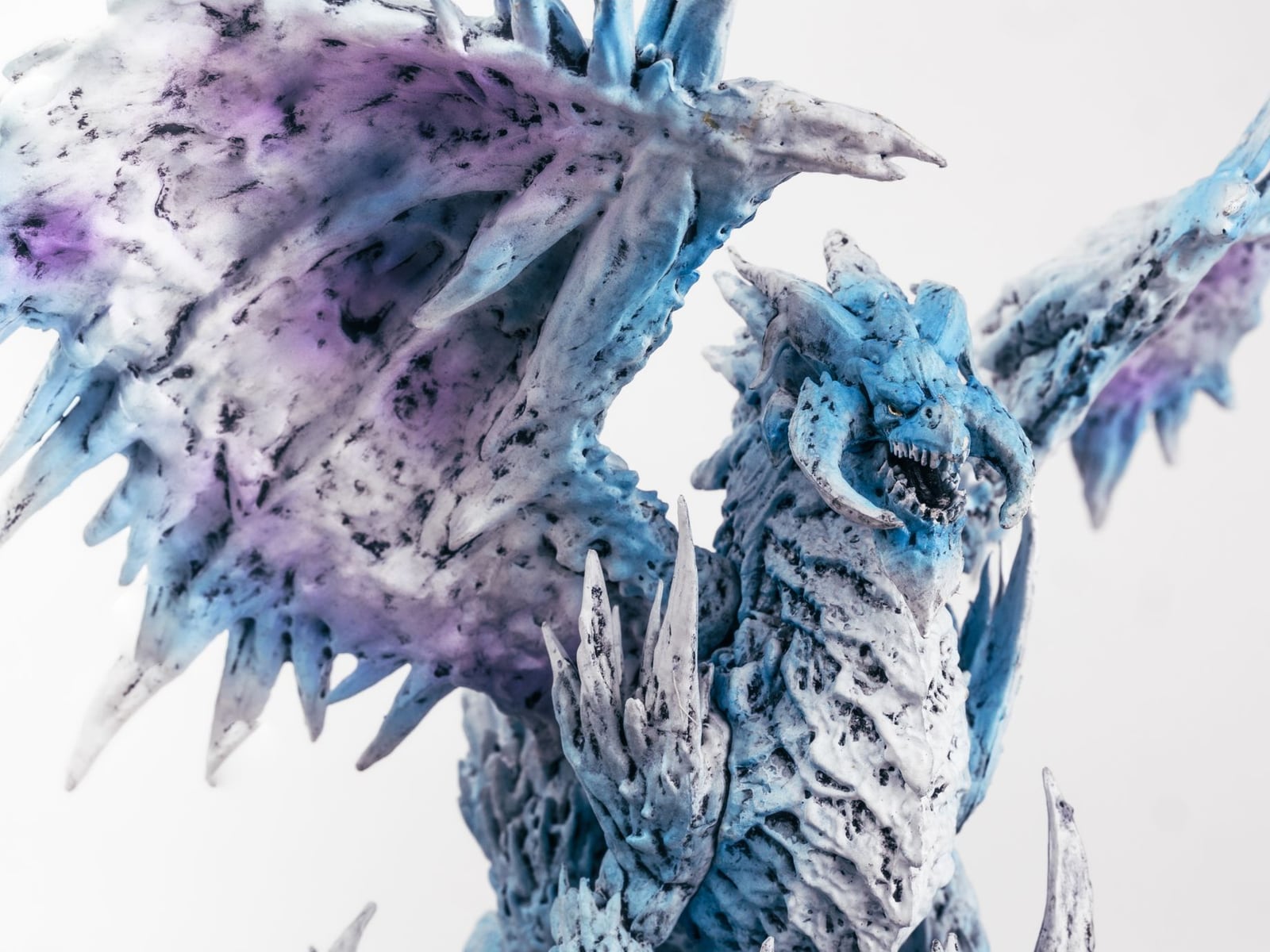
Resin printing, encompassing Stereolithography (SLA) and Digital Light Processing (DLP), represents the pinnacle of detail in current 3D printing technology. Unlike FDM printing which deposits melted plastic in layers, our resin systems use a light-curable liquid polymer that is solidified by a precise UV laser or projector. This process allows for the creation of incredibly thin walls, sharp edges, and organic curves that are virtually seamless to the touch.
At Kopeclabs, we specialise in bridging the gap between a digital concept and a professional physical prototype. Whether you are developing a complex mechanical valve, a detailed architectural maquette, or a custom jewellery casting pattern, our resin workflow ensures that the physical output is a mirror image of your CAD data. Operating out of our Adelaide CBD workshop, we provide the technical oversight necessary to ensure your parts are structurally sound and aesthetically flawless.
01 The Production Process
File Validation
We analyse your STL or STEP files for manifold errors, wall thickness adequacy, and optimal orientation to minimise support structures.
UV Polymerisation
The model is grown layer-by-layer from a vat of liquid resin, with each layer cured by a high-intensity UV light source for maximum density.
Chemical Cleaning
Parts are submerged in an isopropyl alcohol (IPA) bath to remove uncured liquid resin, ensuring crisp details and clean surfaces.
Final UV Curing
The cleaned parts undergo a secondary curing process in a UV chamber to reach their full mechanical strength and stability.
Who Benefits from Resin Printing?
Our SLA/DLP services are specifically tailored for clients who find FDM printing too coarse for their requirements. We frequently work with the following professionals in South Australia:
- Industrial Designers: For creating high-fidelity "look and feel" prototypes that simulate injection-moulded plastics.
- Architects: For complex site models and interior details that require precise scale and smooth facades.
- Jewellery Designers: Using castable resins that burn out cleanly, leaving no ash in the investment mould.
- Medical Device Engineers: For anatomical models or non-contact fitting guides where geometric accuracy is critical.
- Miniature Artists: For gaming or collectible figurines where facial expressions and textile textures must be preserved.
Technical Workflow and Execution
The journey from a digital file to a finished resin part involves rigorous quality control. Once we receive your design, our lead engineer, Daniel Harris, reviews the geometry. Resin printing is sensitive to "suction cups" and heavy cross-sections; therefore, we may suggest adding drainage holes or adjusting the angle of the part to prevent deformation during the peel cycle.
We utilise a range of professional resins, from standard prototypes to high-toughness engineering polymers. Each print is monitored to ensure no layer shifts occur. After the print is complete, we manually remove support structures using precision nippers to avoid pitting the surface. If your project requires it, we can transition the part to our post-processing department for sanding and professional painting.
Client Preparation Checklist
To ensure the fastest turnaround and the highest accuracy, please prepare the following before submitting your enquiry via our contact page:
- File Format: STL, OBJ, or STEP files are preferred. Ensure the model is "watertight" (manifold).
- Scale: Define the units (mm or inches) clearly in your request to avoid scaling errors.
- Material Requirements: Specify if the part needs to be flexible, heat-resistant, or castable. If unsure, read our material choice guide.
- Tolerance Needs: While our standard tolerance is 0.1mm, please highlight any critical mating surfaces that require tighter control.
Deliverables and Output
Upon completion of the project, Kopeclabs provides a comprehensive delivery package. You will receive the physical parts, securely packed in protective foam to prevent chipping of fine details. For B2B clients, we provide a brief quality report confirming the dimensions of the critical axes.
If the 3D modelling was performed by our specialist, Hannah King, the final STL/STEP files will be released to you upon full payment of the invoice. We also provide high-resolution photographs of the parts before they leave our Adelaide workshop, allowing you to verify the result before shipping.
Lead Times and Scheduling
Our average prototype lead time is 3 business days. However, resin printing involves several stages—printing, washing, and curing—which cannot be skipped. For larger batches or complex geometries, the time may vary. If you have a critical deadline, we offer an express service with a 30% surcharge to prioritise your project in the queue.
All orders are subject to our Terms and Conditions, which detail the process for revisions and the 50% deposit required to initiate the print. For corporate clients, we offer B2B payment terms of 14 days upon approved credit application.
Exclusions and Limitations
To maintain safety and legal compliance, Kopeclabs does not provide printing services for the following:
- Firearms, weapon components, or tactical accessories.
- Medical implants or devices intended for internal human use.
- Aerospace or automotive parts requiring certified stress-testing or official certification.
- Direct copies of copyrighted designs or trademarked characters without written permission.
Additionally, please note that raw resin parts can be brittle. While we offer "Tough Resin," these are still prototypes and not intended for high-impact structural use in heavy machinery.
Pricing Structure and GST
Our resin printing costs are calculated based on the volume of material consumed (cm³) and the complexity of the support structures required. We believe in transparent pricing, which is why we provide quotes both including and excluding the Goods and Services Tax (GST).
The minimum order value for any project is A$45. This ensures that the setup, cleaning, and curing time are covered for even the smallest of parts. For large-scale production, we recommend comparing this with our small-series options in the prototype vs series guide.
| Resin Type | Price (inc GST) | Price (ex GST) | Unit |
|---|---|---|---|
| Standard Resin | A$12.00 | A$10.91 | per cm³ |
| High-Toughness Resin | A$18.50 | A$16.82 | per cm³ |
What is Included in the Service
- Initial file geometry check and manifold verification.
- Optimised support structure generation to prevent warping.
- High-resolution UV printing using professional-grade resins.
- Complete IPA chemical wash and residue removal.
- Secondary UV curing for mechanical stability.
- Manual removal of support structures.
- Protective packaging for safe transit within Adelaide and beyond.
Frequently Asked Questions
What is the difference between SLA and DLP?
SLA uses a laser to draw each layer, which is generally slower but can be extremely precise for large parts. DLP uses a projector to flash a whole layer at once, which is faster and excellent for small, highly detailed objects. At Kopeclabs, we choose the technology based on your specific part geometry.
Can resin prints be painted?
Yes, resin is an excellent substrate for painting. However, it requires a primer to ensure the paint adheres properly. We offer professional sanding, priming, and painting as a separate post-processing service to give your prototype a retail-ready finish.
How accurate are the dimensions?
Our standard dimensional tolerance is 0.1mm. While resin shrinkage is minimal compared to FDM, it does occur. For critical fits, we recommend designing with a slight offset or providing a STEP file so we can calibrate the scale precisely.
How long do you store my digital models?
We store your project files for 6 months after the final delivery. This allows for quick re-ordering or slight modifications without needing to re-upload and re-validate the files.